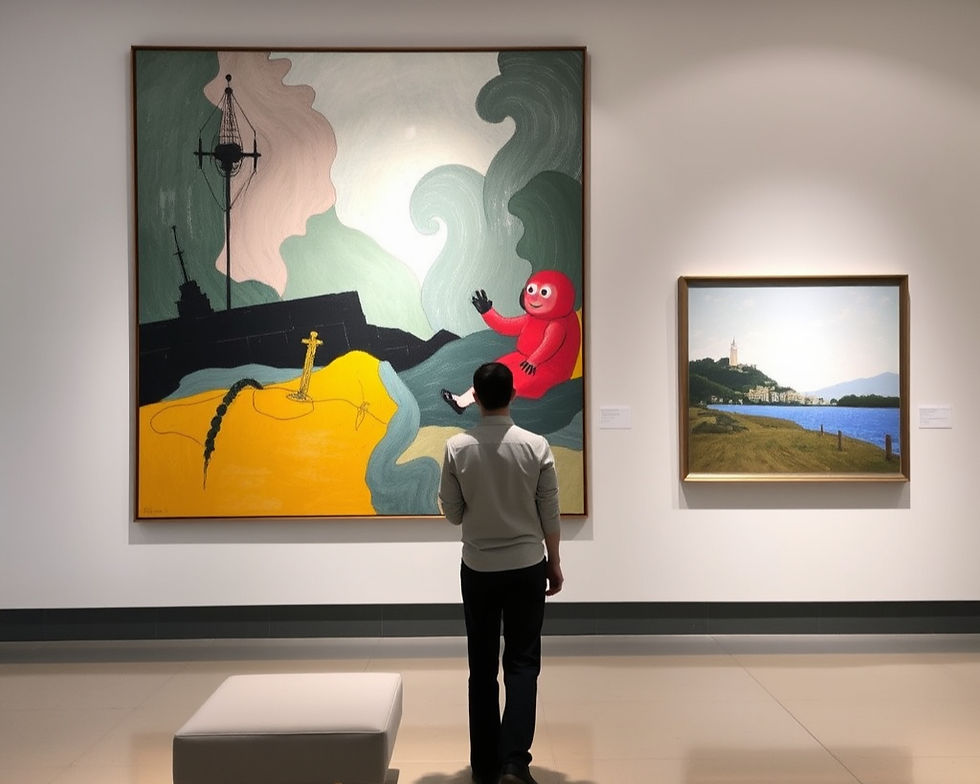
Insights into the Hong Kong Art Market
Hong Kong has established itself as a significant hub for the global art market, connecting Asia with Western buyers and collectors. The blend of cultural influences, strategic geographical location, and favorable trade conditions makes the city an attractive environment for artists, galleries, and collectors alike. In this blog post, we will explore the fascinating world of the Hong Kong art trade, its dynamics, trends, and what you should know if you're considering entering this vibrant market.
The Boom of the Hong Kong Art Trade
The art trade in Hong Kong has exploded in recent years. Notably, several factors contribute to this growth. According to a report by the Art Basel and UBS Global Art Market Report, Hong Kong has become a major player in the art market, with sales reaching billions of dollars. The city's series of contemporary art fairs, including Art Basel Hong Kong, have attracted numerous local and international collectors, driving demand for both established and emerging artists.

The favorable tax environment adds to the city's allure for art investors. There are no sales taxes or import duties on art, enabling collectors to acquire pieces without incurring extra costs. Furthermore, the government's commitment to promoting cultural initiatives has enhanced Hong Kong's reputation as a creative metropolis.
Key Players in the Hong Kong Art Market
The success of the Hong Kong art trade can be attributed to several key players in the market, including galleries, auction houses, and art fairs.
Galleries: Many renowned galleries have established a presence in Hong Kong, showcasing both local and international artists. These galleries serve as vital platforms for artists to gain visibility and for collectors to discover new works.
Auction Houses: Major auction houses like Sotheby's and Christie's have long recognized Hong Kong's potential and have set up their Asian headquarters there. This has made it easier for collectors to access high-value art pieces and has helped increase transparency in the market.
Art Fairs: Events like Art Basel Hong Kong and the Affordable Art Fair are excellent opportunities for collectors and artists to interact. These fairs often showcase a diverse range of artworks, from contemporary pieces to traditional works.

To thrive in this competitive environment, it’s crucial for art enthusiasts to understand what distinguishes one gallery or auction house from another. Each player may focus on different genres or price ranges, so research is vital to find what aligns with your interests.
What is the Largest Art Market in Asia?
As of recent reports, the largest art market in Asia is indeed Hong Kong. This is largely due to the influx of buyers from mainland China and other countries who find it more accessible to acquire art in Hong Kong than in their home markets. The city's strategic location and modern facilities make it a focal point for art transactions in the region.
According to the same Art Basel and UBS report, nearly 80% of the region's art sales occur in Hong Kong, significantly outselling other Asian markets such as Beijing and Tokyo. This concentration of activity is not just due to local taste but also reflects a growing appetite for investment in art as a stable and appreciating asset.
Investment Opportunities in the Hong Kong Art Market
Investing in art can be rewarding, but it also requires careful consideration. The Hong Kong art market offers various investment opportunities, including contemporary art, traditional Chinese artworks, and antiques. Here are a few tips for navigating the investment landscape:
Do Your Research: Understanding market trends and the histories of specific artists is essential. Auction results and gallery sales can provide insights into which types of art are appreciating in value.
Choose Emerging Artists: Investing in emerging artists can yield significant returns, as many have the potential to become economically successful in the future. Keeping an eye on local exhibitions can help identify promising talent.
Consider Provenance: The history of a piece—whom it has belonged to in the past—can greatly influence its value. Collectors often place a premium on artwork with a well-documented provenance.

Trends Shaping the Future of the Hong Kong Art Market
The Hong Kong art trade is constantly evolving. A few trends are currently shaping its future:
Digital Art and NFTs: The rise of digital art and non-fungible tokens (NFTs) has entered the traditional art scene. This has created new opportunities for artists and investors alike. Some local galleries are already showcasing NFT art, marking a shift in how art is created, experienced and sold.
Sustainability: Art that reflects environmental sustainability is gaining traction. Collectors are increasingly interested in purchasing works that promote awareness of nature and environmental issues, steering a new direction in collecting tastes.
Cultural Collaborations: Partnerships between galleries and institutions are becoming more common. This trend promotes a greater sharing of resources and leads to engaging exhibitions that can attract diverse audiences.
How to Get Involved in the Hong Kong Art Market
Interested in dipping your toes into the Hong Kong art market? Here are some actionable recommendations:
Visit Art Fairs: Attend local art fairs like Art Basel Hong Kong to immerse yourself in the art scene. You can meet galleries, artists, and collectors while discovering new works.
Network with Local Artists and Collectors: Engaging in community events and exhibitions allows you to connect with others who share your passion for art. Networking can often lead to investment opportunities and collaborations.
Explore Online Marketplaces: Online platforms like Artsy, Saatchi Art, and others provide access to thousands of artworks. You can browse collections and make purchases from the comfort of your home.
Seek Expert Advice: Consider consulting with art advisors or appraisers who can offer valuable insights into your purchases and the market. Their expertise can guide you towards wise investment decisions.
In conclusion, the Hong Kong art market represents a dynamic blend of cultural diversity, innovative trends, and investment opportunities. As this vibrant city continues to develop as a global art capital, both novice and seasoned collectors will benefit from understanding its intricacies. Whether you are looking to invest, collect, or simply appreciate art, Hong Kong offers a rich tapestry of possibilities. Remember to explore the various facets of the art scene, connect with the community, and enjoy the journey into the captivating world of art!